
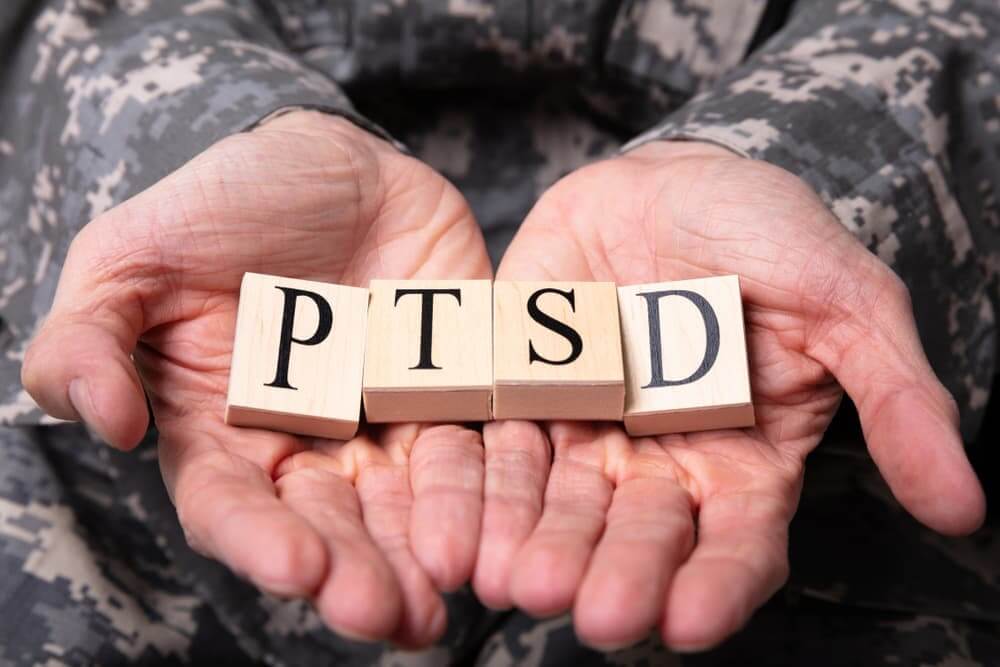
“Even the Strong Deserve Care”: Reuth TLV Responds to Growing Wave of War-Related PTSD
- Dikla Tuchman
- News
At Reuth Rehabilitation Hospital in Tel Aviv, the Trauma Center is on the frontlines of a different kind of battlefield—one where soldiers return home carrying the invisible wounds of war.
In the months following the October 7 massacre and the ongoing Iron Swords military operation, thousands of soldiers—both reservists and regular army—have begun experiencing debilitating symptoms of post-traumatic stress. Many arrive at Reuth’s Trauma Center, a dedicated clinic for trauma rehabilitation, seeking help after weeks or months of trying to manage the pain alone.
“We are facing a mental health crisis of historic proportions,” says Dr. Miri Kfir, psychiatrist and director of the Trauma Center. “The number of soldiers and civilians suffering from trauma-related conditions has surged. They return with nightmares, flashbacks, panic attacks, emotional disconnection—and a deep fear that no one will understand.”
“He’s Not the Same Son Anymore” – The Hidden Toll of War
For many families, the signs are confusing and frightening. One soldier, returning from months of service in Gaza, was triggered by the simple act of his mother opening a can of dog food. The smell reminded him of combat rations—specifically tuna—and launched him into a panic attack. “He shouted, begged her to stop,” recalls Dr. Kfir. “She didn’t understand. But his reaction was rooted in trauma, not disrespect.”
Dr. Kfir explains: “Trauma lives in the body. A sound, a smell, even a gentle touch on the shoulder can bring them right back to the battlefield.”
A Wall of Silence
Shame and stigma often prevent soldiers from reaching out. “One of my patients said that as soon as he asked to see a mental health officer, everyone in his unit started calling him ‘emotional.’ In an instant, his entire identity within the unit shifted,” says Dr. Kfir. “This stigma is deadly. It isolates the soldier and convinces him he has no right to ask for help.”
For Stav Suisa, a reservist who helped collect bodies after October 7, the silence became unbearable. “We weren’t fighters, but we saw horrific things. Afterward, we were released without any emotional processing, as if it had never happened. I’m speaking for all of us. We are living with the trauma—and the system isn’t giving enough.”
Suisa, who lost her business and fell into debt while struggling with symptoms of PTSD, says: “Post-trauma doesn’t knock at the door. It creeps in slowly. The sleepless nights, the flashbacks, the destruction of home and relationships—it took me time to understand that it was happening to me.”
A Comprehensive, Healing Approach at Reuth TLV
At the Trauma Center, patients receive intensive, holistic care twice a week, with each visit including an array of tailored treatments:
- Psychotherapy: Including trauma-focused modalities like EMDR and Somatic Experiencing.
- Physiotherapy & Occupational Therapy: Designed for trauma-affected bodies.
- Creative Therapies: Music, art, therapeutic gardening, and mindfulness practices.
- Spiritual Guidance: For patients asking deep, existential questions—“What now?” “What’s the meaning of life after this?”
“Our patients often come with questions no one has prepared them for,” says Dr. Kfir. “Not just ‘how do I sleep again,’ but ‘how do I live again?’ We integrate spiritual accompaniment—not from a religious standpoint, but from a place that recognizes the pain of loss, of moral injury, of witnessing the unimaginable.”
It’s Never Too Late
One common fear, among both families and soldiers, is that too much time has passed for treatment to be effective. “That’s simply not true,” emphasizes Dr. Kfir. “We’ve seen patients make incredible progress even after one or two years. Yes, the sooner the better—but it’s never too late.”
Recognizing the signs is crucial. Dr. Kfir outlines four major warning groups:
- Hyperarousal – constant alertness, exaggerated startle responses.
- Avoidance – withdrawal from relationships, places, or memories.
- Intrusion – nightmares, flashbacks, intrusive thoughts.
- Mood and Cognition Changes – depression, memory problems, disconnection from reality.
“Families often say: ‘He’s not the same person.’ That’s when you reach out,” says Dr. Kfir. “Gently, without judgment. Just open a door. It can make the difference between despair and healing.”
Post-Traumatic Growth Is Possible
Despite the grim numbers, there is hope. Many soldiers not only recover—but discover new strength. “We believe in post-traumatic growth,” says Dr. Kfir. “One soldier came to us unable to see a uniform without panicking. Six months later, he returned to the army in a new role—this time, as a voice for others who are struggling.”
“This is what we aim for,” she adds. “Not just symptom relief—but transformation.”
A Call to Action
Currently, there are over 18,000 pending applications to the Ministry of Defense for mental injury recognition. The system is overwhelmed. The need for increased budgets, staff, and community awareness is urgent.
“At Reuth, we’re doing everything we can,” says Dr. Kfir. “But it’s not enough. We need a national effort. A soldier who returns broken deserves more than a few sessions. He deserves healing. And that starts with being seen.”
To contact the Trauma Center at Reuth, you can send an email to: reuth.trauma@reuth.org.il or leave a WhatsApp message at 054-3157726
May interest you
Reuth TLV Develops AI-Powered Medication Training Tool for Stroke and Cognitive Patients
- Dikla Tuchman
- News

Committed to Medical Innovation: Reuth Launches Groundbreaking Cognitive Health Study
- Dikla Tuchman
- News
Reuth Medical Centre in the Community Kiryat Gat
- etamaro
- English